Test Case Life Cycle
Test Case Life Cycle
The Test Case Life Cycle defines the various stages a test case undergoes from its creation to its closure or retirement. This life cycle ensures systematic testing and effective tracking of test artifacts throughout the software testing process.
The different states and is defined based on the Test management tool used by the organization. In this tutorial, we will use the TestLink tool.
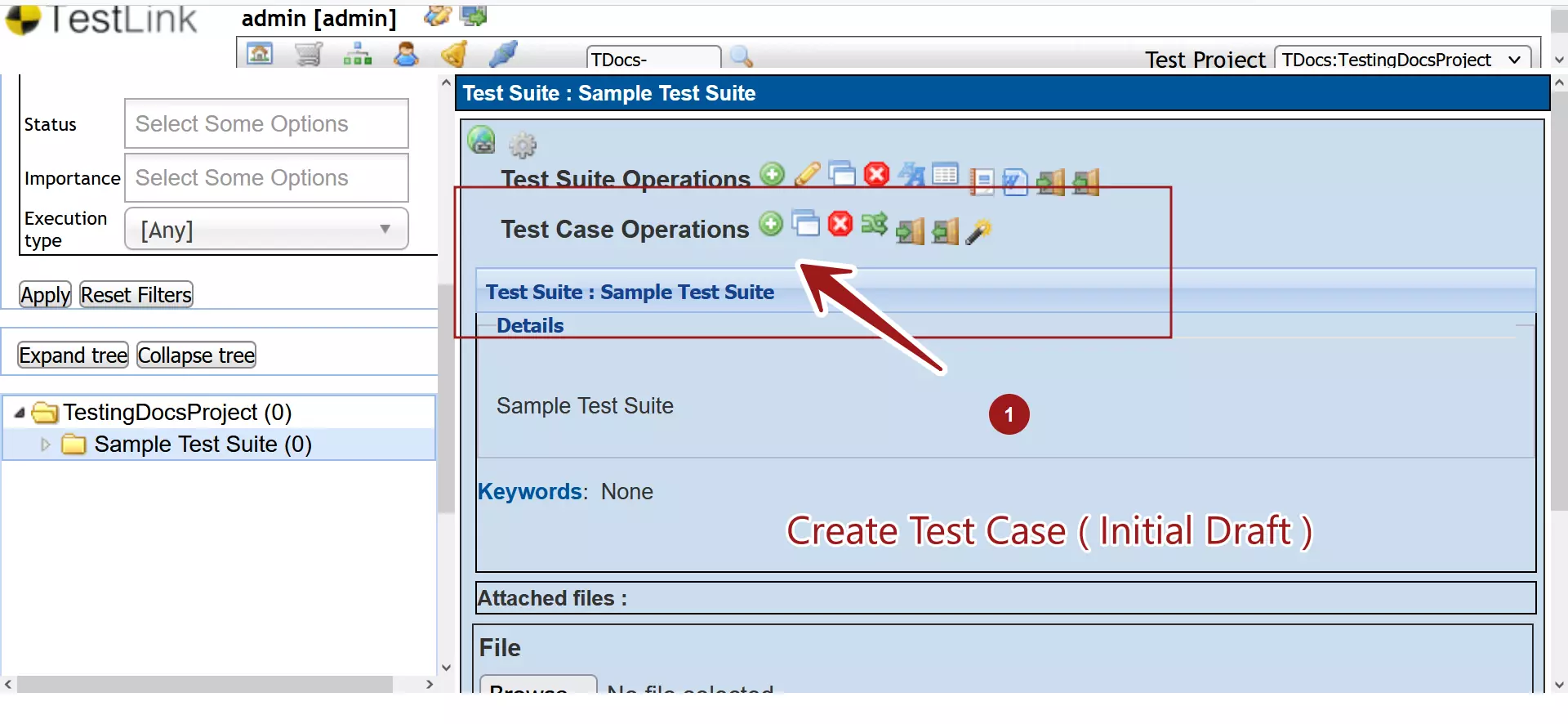
- Test Case Generation ( Create Initial Draft )
- Test Case Review
- Approval
- Test Case Rework
- Test Case Prioritization & Finalization
- Execution
- Defect Reporting
- Closure
Test Case Generation
In this phase, testing team documents the application test cases. Test cases are created as initial draft.
Testers design test cases based on software requirements, specifications, or user stories. Each test case includes details like Test Case ID, Description, Preconditions, Test Steps, Expected Results, and Actual Results.
Test Case Review
Test cases are reviewed by peers or Senior QA engineers to ensure quality, accuracy, clarity, and completeness. Feedback is provided and incorporated. Test cases that are prepared can be moved from draft to Ready for Review state. Testing team reviews the test cases.
Test Case Approval
Once reviewed and finalized, test cases are approved by a test lead or manager for use in testing.
Rework
Test cases with Review comments are reworked. Test cases with review comments can be moved to Rework state.
Test Case Finalization
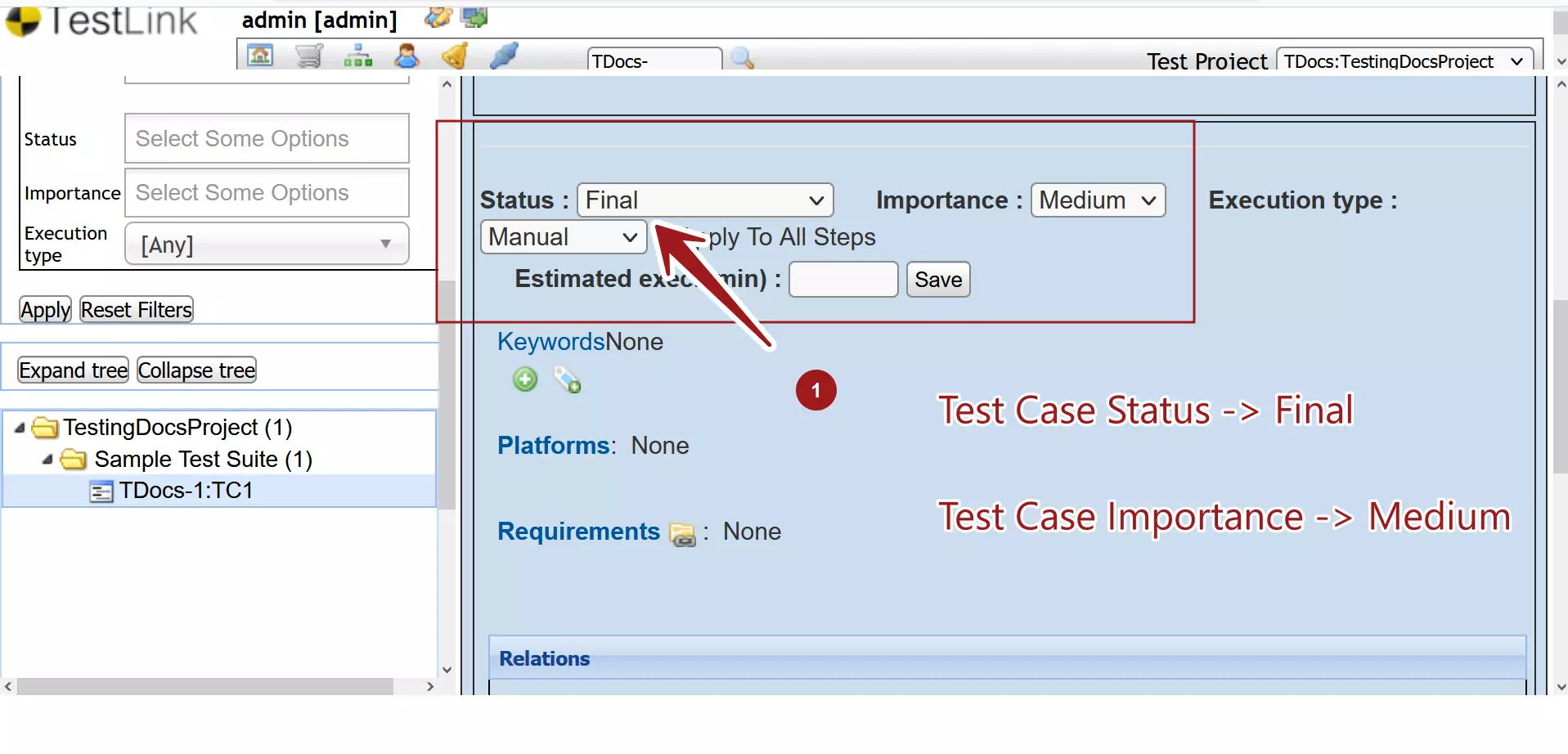
Upon successful review, test cases are moved to the Final state. This is an important step. Once test cases are finalized, we can version the test case artifacts and baseline them. Any further changes to them would undergo change management process.
- Test Case Status
- Test Case Importance
Test Case Execution
Test cases are executed in the test environment. Actual results are compared against expected results, and the outcome is marked as:
- Pass: Actual result matches expected result
- Fail: Actual result does not match expected result
- Blocked: Test cannot proceed due to a blocker
Defect Reporting
For failed test cases, defects are reported with detailed reproduction steps, screenshots, logs, severity, and priority. The defect is linked to the failed test case.
Test Case Re-execution
After defect fixes, the failed test cases are re-executed to verify the fix. The test result is updated accordingly.
Test Case Closure
Once all related testing activities are completed and test objectives are met, the test case is marked as closed. Test results are documented and test artifacts are archived.
Test Case Maintenance
Test cases may require updates due to changes in requirements or application behavior. They can be modified, rewritten, or retired as needed.
Test Case Life Cycle
| Stage | Description |
|---|---|
| Test Case Creation | Design based on requirements |
| Test Case Review | Peer or Senior QA review |
| Test Case Approval | Approved for execution |
| Test Case Execution | Run test cases and capture results |
| Defect Reporting | Log issues for failed test cases |
| Re-execution | Re-test after fixes |
| Closure | Mark as complete and archive |
| Maintenance | Update with changes in the application |
TestLink Tutorials
TestLink Tutorial on this website can be found at:


