API Testing
API Testing
In this tutorial, we will learn about API Testing. An Application Programming Interface (API) is a set of rules, protocols, and tools that allows different software applications to communicate with each other. It defines the methods and data formats(content types) used to interact with a particular software component, service, or platform.
Examples
Some examples of APIs are as follows:
- Win32 API
- RESTful API (Representational State Transfer API)
- Hardware APIs( low-level device APIs)
API Testing Definition
API testing is a type of software testing that focuses on verifying Application Programming Interfaces (APIs). It involves sending requests to an API endpoint and verifying the API response. The main aim of it is to ensure that APIs function correctly as expected without any issues. The quality attributes like API reliability, API performance, API security, etc, are also tested.
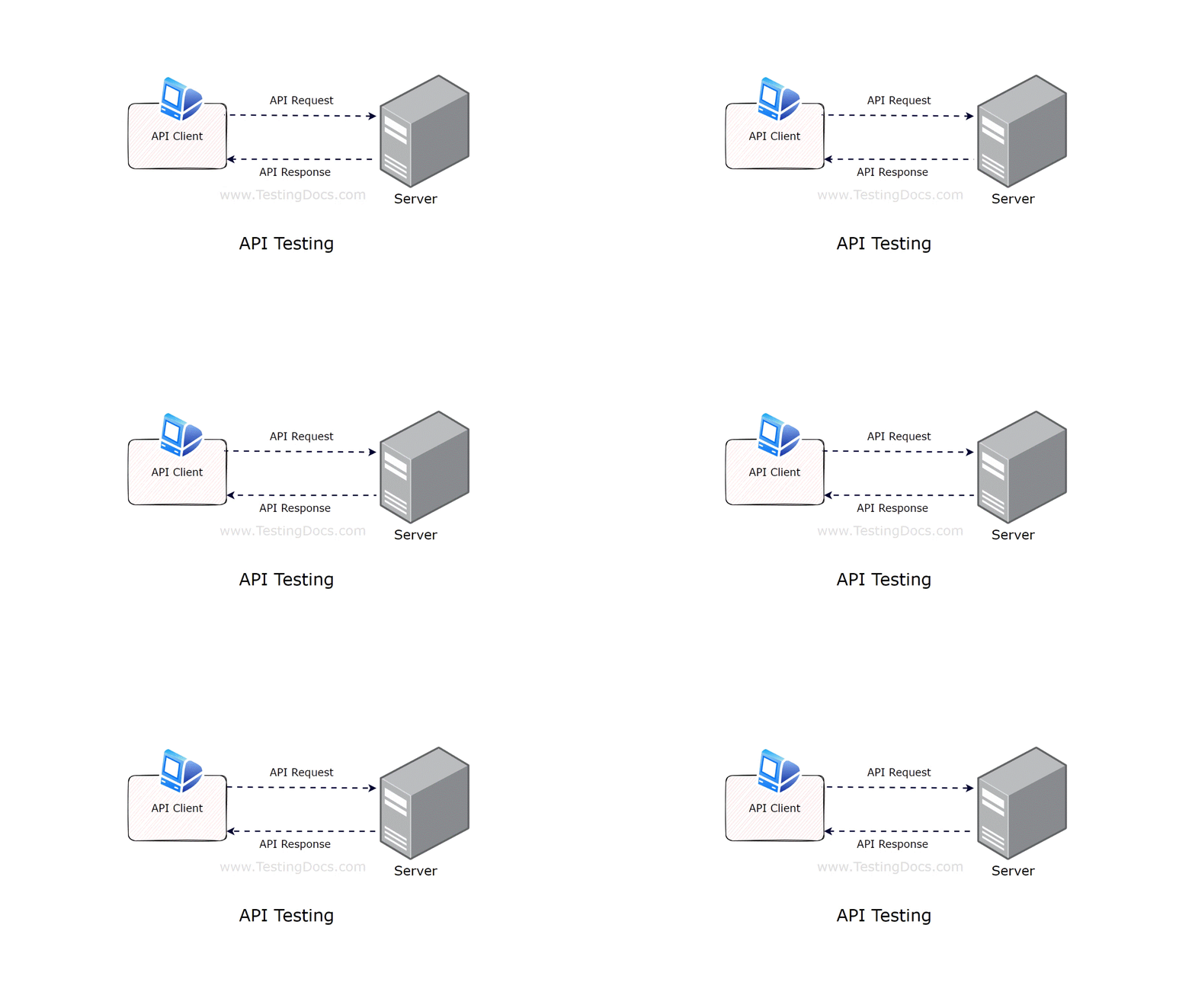
APIs are commonly used to enable integration between different systems, streamline processes, and facilitate data exchange. They abstract the underlying complexity of systems and provide a standardized interface for accessing their functionality. Unlike GUI testing, it does not focus on the look and feel but on the software architecture’s business logic layer.
Types of API Testing
Some of the types of API Testing are as follows:
- Functional Testing
Checks if endpoints return expected results. - Load Testing
Measures performance under heavy traffic. - Security Testing
Identifies vulnerabilities like unauthorized access. - Validation Testing
Ensures correctness of request/response structure. - Integration Testing
Verifies how APIs interact with other services
API Testing Tools
Popular testing tools are outlined below:
Defect Report
https://www.testingdocs.com/sample-defect-report-rest-api-testing/